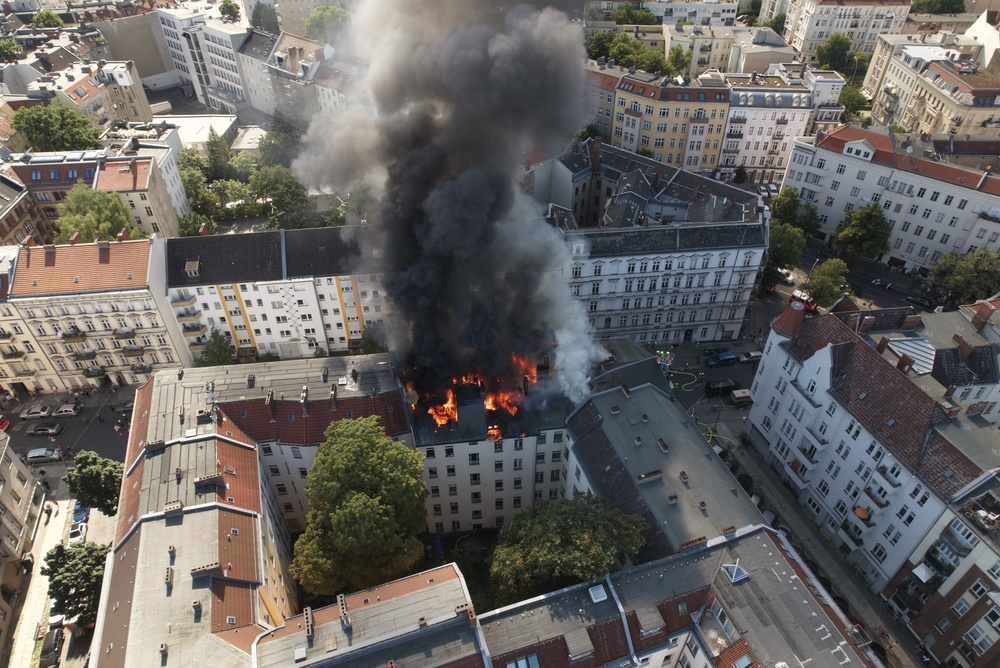

When Are Landlords Liable for Burn Injuries?
Landlords may be liable for burn injuries in California when their failure to meet a legal duty causes a fire, delays escape, or worsens someone’s injuries. Missing smoke alarms, neglected wiring, and obstructed exits can support an injured party’s claim, although ownership alone does not establish responsibility. Tenants and visitors must connect the unsafe condition to the landlord’s obligations and the harm they suffered.
If you suffered a burn in a rental property, San Francisco burn injury lawyers can help identify the responsible parties and the evidence needed to evaluate your claim.
California Apartment Fire Lawsuits Explained
In California, apartment fire lawsuits commonly involve negligence and premises liability, which address injuries caused by failures to maintain reasonably safe property. As such, injured tenants generally must establish a duty of care, a breach of that duty, causation, and damages supported by evidence.
Landlords’ responsibilities depend partly on who controlled the dangerous area and when the hazard arose, rather than merely whose name appears on the deed.
The Judicial Council of California’s landlord-duty instruction explains that landlords must inspect reasonably before transferring possession and address discoverable hazards. For common areas they control, landlords must take reasonable precautions against unsafe conditions they knew or reasonably should have known about.
Conditions arising inside tenant-controlled areas require a different analysis, including actual knowledge and the right and ability to correct the danger, subject to applicable statutory duties. As for compensation after suffering injuries from a fire incident in an apartment, these may include
- Medical bills
- Future treatment
- Lost income
- Diminished earning capacity due to lifelong injuries
- Emotional and physical pain and suffering
What Is the California Fire-Safety Rule?
Rental fire safety rule in California involves several statutes, building standards, and local requirements, rather than one rule covering every property.
Under California Health and Safety Code section 13113.7, owners must ensure required smoke alarms in rental properties operate when a new tenancy begins. Additionally, tenants must notify the management when they become aware of an inoperable alarm, and owners must correct reported deficiencies. The statute’s protection for owners who have not received notice of a deficient alarm does not eliminate obligations arising under other laws.
San Francisco also imposes local disclosure and alarm-related obligations, with requirements varying by building size and existing systems. The San Francisco Fire Department’s building-owner guidance addresses tenant fire-safety information, posted notices, and annual testing documentation for buildings with fire alarm systems.
Common Instances Where Landlords Are Liable for Burn Injuries in California
Landlord liability for burn injuries may arise from preventable hazards involving maintenance, required safety equipment, or escape routes, provided the evidence establishes the landlord’s duty and causal responsibility.
- Ignored electrical problems
Repeated reports of sparking outlets or overheating wiring can establish notice and the inability of landlords to address the issue.
- Missing or inoperable smoke alarms
Failure to install required alarms or repair reported malfunctions delay warnings, which leads to untoward fire incidents.
- Blocked emergency exits
Stored materials in landlord-controlled corridors or improperly secured exit doors may impede evacuation, extending exposure to heat even when someone else started the fire.
- Neglected heating equipment
Unaddressed gas leaks, damaged heaters, or unsafe installation may support negligence claims when maintenance records and technical findings connect the condition to the burns.
- Unsafe water-heating systems
Scalding injuries may support a claim when an owner ignores reports of dangerously hot water or fails to repair a defective temperature-control component.
Note that these examples do not automatically establish liability. The “cause of the injury” and “the opportunity of the landlord to prevent such incidents” remain essential questions.
How Can You Prove Liability in California Burn Injury Cases?
Proving a California burn injury claim requires evidence explaining what happened, what the landlord should have done, and how that failure caused harm. Medical treatment takes priority, while prompt preservation efforts help prevent relevant information from disappearing during cleanup or repairs.
-
Document and Collect Evidence
Photographs, videos, fire department reports, inspection notices, and witness accounts can document the fire scene and the condition of alarms, exits, and equipment. Written repair requests and messages showing prior complaints may establish notice, particularly when management acknowledged a hazard but left it unresolved.
A burn injury attorney can request preservation of damaged equipment, maintenance logs, surveillance recordings, and inspection records before those materials are discarded or overwritten. For injured residents, they should avoid entering unsafe buildings or altering suspected evidence, since professional examination may be necessary to determine causation.
-
Connect the Safety Failure to the Injury
In Leyva v. Garcia, a published California appellate decision from 2018, tenants sued after an apartment fire involving a gas wall heater, and the judgment was later upheld for the landlord. It is important for claimants to produce sufficient evidence creating a factual dispute over causation, because identifying an ignition source alone may be insufficient in some cases.
-
Document Potential and Guaranteed Losses and Confirm the Deadline
Treatment records, photographs of healing, wage documentation, and medical opinions about future care help establish the financial and personal consequences of burns. Additionally, it’s important to account for surgeries, rehabilitation, scar management, and any limitations affecting their work or daily activities.
Signing a release can end claims against the released parties, even when treatment continues, or later medical evaluations may reveal additional injury-related needs requiring substantial ongoing care.
Know Potential Options After a Rental Property Burn Injury
Landlord responsibility depends on the applicable safety duties, notice of hazards, control over the property, and evidence connecting a failure to the burns. Claimants must also act promptly to help clarify those issues while documenting treatment needs and losses that continue during recovery.
If you need help assessing whether unsafe rental conditions contributed to your injuries, discuss your records and filing deadlines with The Regan Law Firm to understand your available legal options. Contact us today to schedule your consultation.