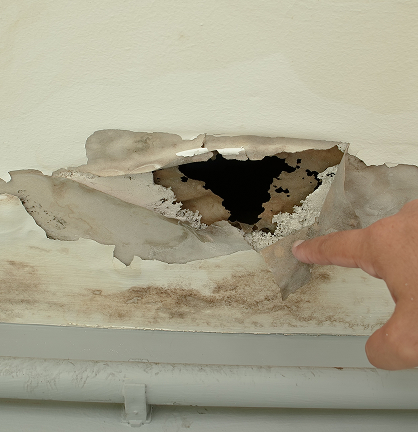
Toxic Mold Exposure for Landlords
Exposure to unsafe mold conditions. Can cause long-term health issues. Legal help for affected individuals.

Not every mold issue results in a lawsuit. California law generally requires proof that exposure caused a health condition before a medical claim can be made and damages may be pursued. A toxic mold case isn’t about property damage, it’s restitution for a medical claim.
For landlords, these claims can quickly escalate into high-stakes legal matters involving allegations of unsafe living conditions and tenant illness. One of the most commonly associated illnesses in toxic mold litigation is “aspergillosis,” a respiratory infection caused by Aspergillus mold spores.
A toxic mold claim by tenants cannot be successful solely because mold exists in an apartment.
Instead, a legal medical claim requires strong proof that:
The Regan Law Firm represents landlords across California in toxic mold cases, focusing on defense, claim strategy, and risk mitigation when tenants allege harm from mold exposure. With an average of 25 years of experience handling mold cases, we advise landlords on how to respond when allegations arise, how to document compliance with California housing laws, and how to challenge mold claims that lack medical or scientific support.

Not every mold issue results in legal liability for landlords. Under California law, a tenant generally must prove more than the presence of mold in a rental unit to pursue damages.
Aspergillosis may affect individuals differently depending on their immune system and level of exposure. Some people experience allergic reactions or breathing difficulties, while others may develop more severe lung infections that require medical treatment. Legal representation plays a key role in gathering that evidence.
A toxic mold claim may involve:
California habitability standards require landlords to maintain safe and livable premises. However, liability depends heavily on whether the landlord acted reasonably once aware of the issue. Prompt remediation, proper documentation, and adherence to local health codes can significantly affect the outcome of a claim.
A toxic mold lawyer plays a central role in evaluating whether a tenant’s medical condition meets the threshold required for a mold claim. For example, aspergillosis must be supported by clinical diagnosis and expert testimony linking the illness to the property conditions. Without this connection, many claims fail to meet the evidentiary standard required in California courts.
As seasoned toxic mold attorneys, The Regan Law Firm assists landlords in analyzing these elements, identifying weaknesses in claims, and developing a defense based on medical records, inspection reports, and compliance history.
Toxic mold disputes can arise in many types of residential and commercial properties. The Regan Law Firm evaluates cases involving both health effects and property conditions that contribute to mold growth.
Claims involving alleged exposure often hinge on environmental testing and medical causation. We evaluate whether mold levels were hazardous and whether exposure can be tied to a specific health condition.
Landlords may face claims that mold rendered a property uninhabitable. These cases require careful review of maintenance records, repair timelines, and compliance with housing standards.
When mold exposure leads to a medical diagnosis, legal claims may focus on the connection between the environment and the illness. These cases may involve medical treatment records, pulmonary testing, environmental reports, and documentation of symptoms following exposure. Establishing this connection is often the most challenging part of a mold claim.
Tenant claims may include demands for rent reduction, relocation costs, or damages. An attorney may assist landlords in responding to these claims while protecting their legal and financial interests.
Mold can also cause significant structural damage to buildings and personal property. Property owners and homeowners may pursue claims involving hidden moisture damage, mold contamination in HVAC systems, structural repairs related to mold removal, and disputes involving insurance coverage.
Landlords facing mold-related claims must act quickly and strategically. Early decisions, such as how to respond to tenant complaints, whether to conduct testing, and how to document repairs, can shape the direction of a case.
The Regan Law Firm advises landlords on:
We represent a wide range of landlords, from single-unit property owners to large portfolio holders managing multiple rental properties. This breadth of experience allows for tailored legal strategies based on the size and complexity of each property operation.
In addition to direct representation, we provide advisory services to landlords and even other attorneys. Because we have handled mold claims from multiple perspectives, it offers insight into how these disputes are evaluated and litigated.
One of the most common questions people ask after discovering mold is simple: “What should I do next?”
Instead of offering you a generic intake call for free, The Regan Law Firm takes a different approach. We provide a document review and legal assessment with a follow-up consultation with an attorney to discuss the analysis and possible next steps.
Our goal is to provide clear, actionable guidance to landlords based on the specifics of each situation.
Toxic mold claims can involve significant financial exposure, particularly when medical allegations are involved. For landlords, a well-documented response and a clear legal strategy can make a meaningful difference in how a claim is resolved.
The Regan Law Firm handles toxic mold cases and guides landlords dealing with mold-related disputes. With decades of legal experience and a strong network built through past cases, our firm continues to assist those seeking answers after mold growth and exposure. Each case we handle receives the same level of attention, whether it involves a single apartment unit or a large residential property dispute.
If you believe mold exposure in a property may have affected your health or housing conditions, our toxic mold lawyers will help you maximize every legal option you have.
Can tenants sue for a medical issue just because mold is present in my property?
Generally, no. A successful toxic claim usually requires proof that mold exposure caused a significant health condition. Many toxic mold lawsuits involve illnesses such as aspergillosis or other respiratory infections linked to prolonged exposure.
Why is aspergillosis important in mold claims?
Aspergillosis is a fungal infection that can affect the lungs and respiratory system. Because it is a medically recognized illness associated with mold exposure, it plays a key role in toxic mold litigation.
How can I disprove that the mold exposure of my tenant didn’t cause their illness?
This involves medical evaluations, laboratory mold testing, environmental inspection reports, and documentation of the timeline between exposure and symptoms. Expert medical testimony may also be required.
What are my rights as a landlord if mold appears in my rental property?
Landlords have the right to inspect, repair, and address the issue. Acting promptly and documenting your response is key to protecting your position.
Can my tenant immediately stop paying rent if mold is discovered in my property?
Not automatically. Rent withholding is subject to legal standards, including whether the issue substantially affects habitability and whether proper notice was given.
What should landlords do when a tenant reports mold?
Respond quickly, document the complaint, and take appropriate remediation steps. Early action can reduce legal risk.
Do mold claims require expert witnesses?
Many toxic mold cases rely on expert testimony from environmental inspectors, medical professionals, and building specialists who can explain how mold developed and whether it contributed to illness.
The following are examples of the types of results we achieve. Every case is unique.
Let Us Fight For Your Rights.
Do not wait until your health deteriorates further; contact us today to discuss your case with attorneys who specialize in these specific issues.
"*" indicates required fields