
Fire Code Violations and Burn Injury Lawsuits in California
Fire code violations in California can turn a manageable emergency into an incident involving severe burns, permanent scarring, and prolonged medical treatment. Blocked exits, malfunctioning alarms, and neglected fire protection systems may expose occupants to preventable harm, even when those failures did not start the fire. Establishing responsibility requires evidence connecting an applicable safety requirement to the conditions that caused or worsened someone’s injuries.
If unsafe building conditions contributed to your injuries, San Francisco burn injury lawyers can help assess potential liability and identify records needed to evaluate your legal options.
Fire Code Violations in California
The California Fire Code establishes requirements intended to reduce ignition risks, limit fire spread, and protect occupants during evacuation. Requirements differ according to building use, existing construction, and applicable local amendments, so an investigation must identify the rules governing the property when the incident occurred.
San Francisco’s 2025 Fire Code adoption ordinance incorporates the 2025 California Fire Code and portions of the 2024 International Fire Code, together with local amendments. This combination means that statewide requirements alone may not capture every obligation affecting a San Francisco property.
Examples of Fire Code Violations in California
Fire safety violations in California may involve missing equipment, improper storage, or failures to maintain systems that residents and visitors depend on during emergencies. The following examples illustrate potential violations and injury mechanisms, although the applicable requirement must be confirmed for each building.
- Obstructed fire escapes: Furniture or stored belongings prevent occupants from reaching safety, increasing their exposure to flames and heat during an evacuation.
- Neglected alarm systems: Missed inspections or unrepaired faults delay warnings, leaving occupants unaware of a spreading fire until escape becomes more difficult.
- Improper electrical connections: Extension cords used in place of permanent wiring create unsafe conditions, particularly when damaged cords or overloaded connections contribute to ignition.
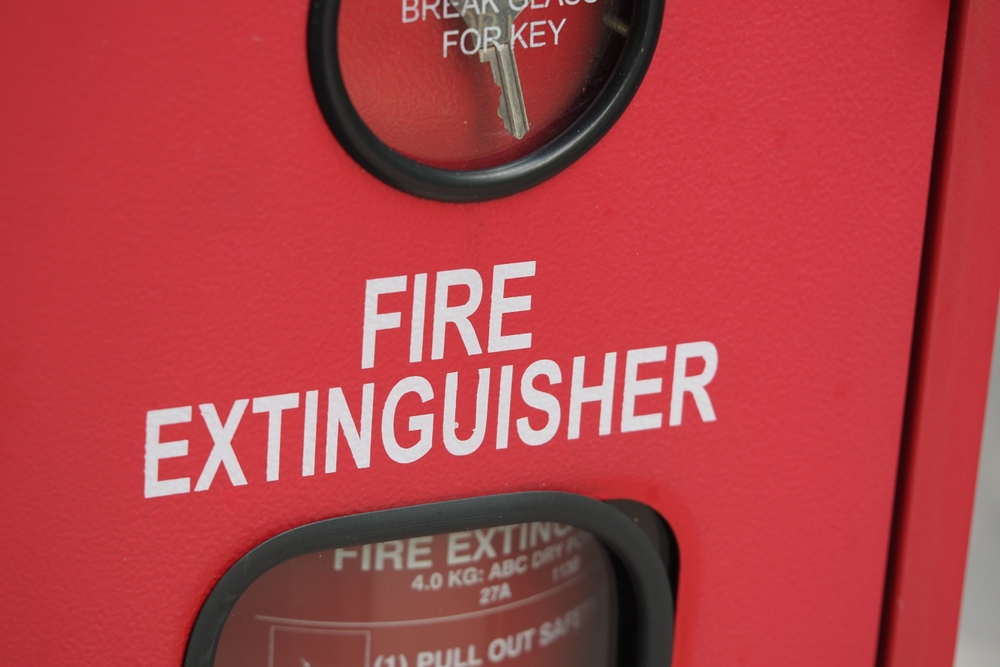
- Inaccessible fire protection equipment: Blocked access to extinguishers or other required equipment delays efforts to control a developing fire before people suffer burns.
How Burn Injury Lawsuits in California Work
California burn injury lawsuits commonly involve negligence or premises liability, with claims examining the defendant’s duty, unsafe conduct, causation, and resulting damages. Potential defendants may include property owners, building operators, managers, or contractors, depending on their responsibilities and involvement in the dangerous condition.
Here are two things to keep in mind to bolster your burn injury lawsuit claim:
Establish the Violation and Its Connection to Your Burns
The Judicial Council of California’s negligence-per-se instruction explains that qualifying legal violations can create a rebuttable presumption of negligence. The injured person must establish a violation, causation, harm of the kind the law sought to prevent, and membership in the protected group.
For example, blocked escape access might worsen burns by trapping someone near advancing flames, even when the blockage had no role in ignition. Fire investigation findings, evacuation accounts, photographs, maintenance records, and medical evidence can help establish that connection without relying solely on a citation.
Insurance representatives may dispute whether the violation affected evacuation or fire spread, making it useful to separate evidence of the unsafe condition from evidence explaining its role in the specific burn injuries.
Preserve Evidence and Document Your Losses
Preservation requests can address damaged equipment, surveillance recordings, alarm inspection reports, and earlier complaints before repairs or cleanup remove relevant evidence. Medical records, wage statements, and treatment projections help document burn injury compensation for care expenses, lost earnings, and pain and suffering.
Under California Code of Civil Procedure section 335.1, personal injury actions generally carry a two-year filing period, although exceptions and separate government-claim requirements may apply.
Understanding Whether a Fire Code Violation Supports Your Claim
Fire code evidence can help explain why burns occurred or became more severe, but each claim requires a documented connection between the violation and injury. Promptly preserving records and confirming deadlines can clarify your options while medical treatment and recovery continue.
If you need help reviewing inspection findings or the circumstances of your burns, discuss your available records with The Regan Law Firm to understand whether a claim may be supported. Schedule a consultation today or call (415) 523-0403.