
Apartment Fire Lawsuits: When Landlords May Be Liable
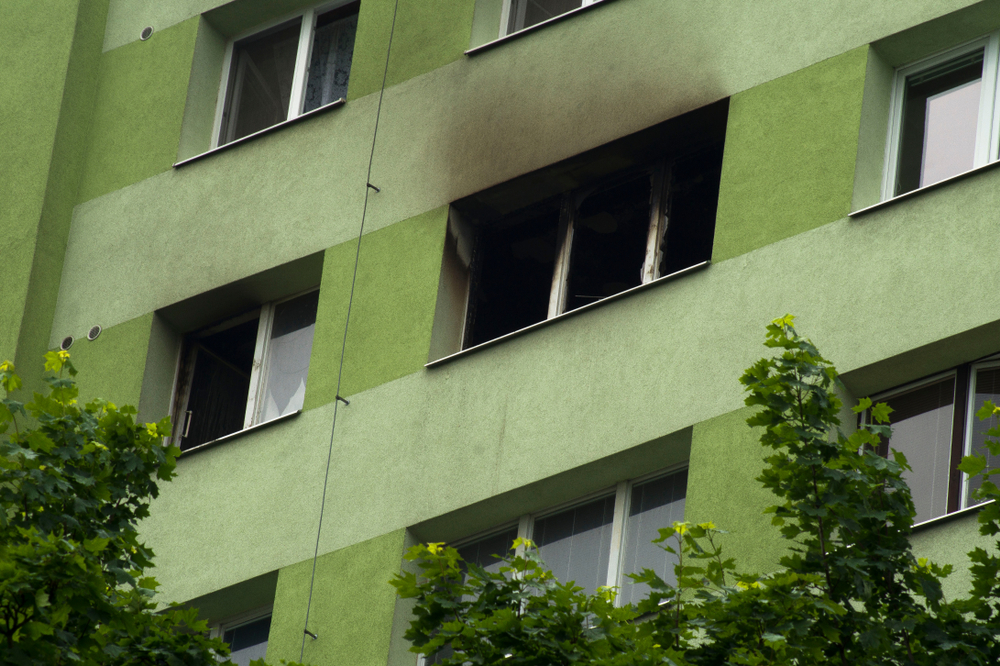
An apartment fire lawsuit may hold a California landlord liable when unsafe conditions, neglected repairs, code violations, or failed fire-safety measures cause or worsen a tenant’s injuries. Key questions include who controlled the hazard, what the landlord knew or reasonably should have known, and whether that failure contributed to the fire or resulting burns.
Our San Francisco burn injury lawyers at The Regan Law Firm examine apartment fires from the ignition source through the resulting harm, preserving evidence that can clarify landlords’ responsibility while representing seriously burned victims.
Understanding California Apartment Fire Lawsuits
An apartment fire lawsuit is a civil claim seeking compensation after a residential fire causes injury, death, or property loss. A tenant with serious burn injuries may rely on negligence or premises liability when a landlord or another responsible party failed to use reasonable care. A defective appliance or electrical component may also create a product liability claim.
The fire itself does not establish negligence. A claim generally requires duty, breach, causation, and damages. California Civil Code Section 1714 provides the broad rule that a person is responsible for injuries caused by a lack of ordinary care in managing property or person.
Landlords Aren’t Automatically Responsible for Every Fire
Liability in apartment fires still depends on duty, breach, causation, control, notice, and the facts surrounding the ignition.
A landlord may have a defense when a fire resulted from tenant conduct, an unforeseeable third-party act, a product defect the landlord could not reasonably discover, or a condition outside the landlord’s control. Civil Code Section 1941.2 also requires tenants to properly use electrical, gas, and plumbing fixtures. Responsibility may instead rest with a tenant, manufacturer, installer, contractor, utility, property manager, or several parties.
California’s comparative fault rules can also affect recovery when more than one person contributed to the loss. An apartment fire lawsuit should begin with evidence, not an assumption that the landlord is at fault or free from fault.
When California Landlords Are Liable for Apartment Fires
California landlords generally owe tenants a duty to use reasonable care in maintaining rental premises safely. In Becker v. IRM Corp., the California Supreme Court explained that a landlord must act reasonably under the circumstances, including considering the seriousness of the potential injury, the burden of reducing the risk, and the landlord’s control over the condition.
That duty matters when a fire is traced to a condition the landlord created, controlled, knew about, or reasonably should have discovered. Examples may include deteriorated wiring, recurring breaker problems, leaking gas lines, malfunctioning heating equipment, or improper repairs. A lawyer for apartment fires can address ignition events involving gas leaks, electrical failures, unsafe appliances, code violations, and negligent maintenance.
Knowledge is often disputed. Actual notice may come from complaints, inspections, repair requests, or earlier incidents. Constructive notice means a condition existed long enough, or was apparent enough, that reasonable care should have revealed it. Becker recognizes that a lack of actual awareness does not always defeat a claim when reasonable inspection could have disclosed the danger.
California Fire-Safety and Habitability Rules
California Civil Code Section 1941.1 treats a dwelling as untenantable when it substantially lacks listed conditions, including gas facilities, heating facilities, and electrical wiring or equipment that conform to applicable law and are maintained in good working order. Those requirements can become significant when the suspected ignition source involves a building system under the landlord’s responsibility.
Health and Safety Code Section 13113.7 separately requires approved smoke alarms in dwellings intended for human occupancy and assigns testing and maintenance duties to owners of rented apartment complexes. At a new tenancy, required alarms must be operable, and reported deficiencies must be corrected as the statute provides.
A code violation does not automatically decide an apartment fire lawsuit. Under Evidence Code Section 669, violation of a statute, ordinance, or regulation may create a presumption of failure to exercise due care when the violation caused the type of harm the rule was designed to prevent and the injured person was within the protected class. Local building and fire codes can therefore matter alongside state law.
Causation and Evidence in Apartment Fire Lawsuits
Fire cases in California often ask two related questions: What started the fire, and what made the injuries as severe as they were? A failed smoke detector may not ignite a blaze, but delayed warning can matter if it reduces a tenant’s opportunity to escape. Blocked exits can likewise affect injury causation even when the ignition source was elsewhere.
Apartment fire evidence may include fire reports, photographs, electrical components, appliances, alarm devices, maintenance records, permits, inspection histories, witness accounts, surveillance footage, and tenant-management communications.
How Apartment Fire Investigations Help Prove Liability
Apartment fire investigations in California can help prove liability by preserving evidence about where the fire started, what caused it, and whether a dangerous condition contributed to the injuries.
Investigators may examine the fire scene, electrical and gas components, appliances, smoke alarms, building systems, maintenance records, inspection histories, repair requests, photographs, fire reports, surveillance footage, and witness accounts. Prompt investigation matters because cleanup, repairs, discarded appliances, overwritten footage, and moved components may erase evidence showing what happened.
For victims, counsel can use these findings to connect the fire’s origin and spread to a landlord’s failure to inspect, repair, maintain, or provide required safety measures. The investigation may also identify other responsible parties, such as property managers, contractors, manufacturers, or utilities, while connecting medical evidence to the fire and documenting available insurance coverage.
Seek a San Francisco Lawyer After an Apartment Fire
Apartment fire lawsuits turn on more than the fact that flames damaged a rental unit. A landlord may be liable when a failure to reasonably inspect, repair, maintain, or comply with applicable safety requirements causes or worsens a tenant’s injuries, but liability must be proved with evidence tying the landlord’s conduct to the loss.
The Regan Law Firm represents victims in apartment fire lawsuits. Our personal injury lawyers in San Francisco can pursue compensation for victims with serious burn injuries after an apartment fire. To learn more about how our team can help, call us at 415-523-0403 or contact us online to schedule a consultation.