
Can You Recover Compensation for Burn Scars and Disfigurement?
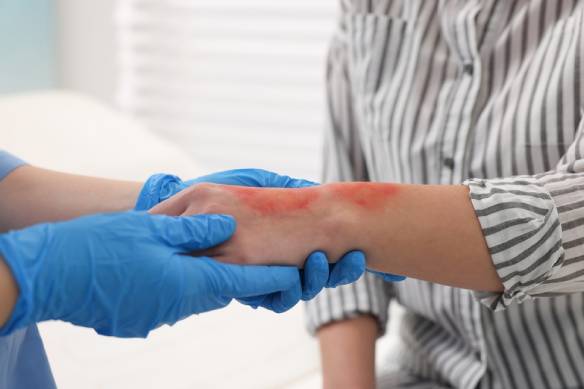
Burn scars carry a heavy burden on the emotional, financial, and mental aspects of a person. They remain long after the wound closes, leaving permanent changes in appearance, movement, sensation, confidence, and daily function that deserve careful treatment in a burn injury claim.
When another person, business, property owner, manufacturer, or public entity is legally responsible, California personal injury law may allow compensation for financial and personal harm. A 2024 peer-reviewed study of burn patients reported meaningful relationships among social appearance anxiety, body perception, and quality of life, confirming that disfigurement reaches well beyond appearance. If an insurer treats permanent scarring as merely cosmetic, ask a San Francisco burn injury attorney to evaluate its full effect on your life.
What Compensation Is Available for Burn Scar and Disfigurement Victims?
Recoverable damages depend upon liability, insurance coverage, treatment history, prognosis, and the scars’ long-term effects. A supported burn injury lawsuit in California may seek the following compensation without assigning an arbitrary value before the medical outlook becomes clear.
Past and future medical expenses
Compensation may cover hospitalization, skin grafts, reconstructive surgery, laser treatment, medication, compression garments, counseling, and rehabilitation. California’s 2026 civil jury instruction on medical expenses allows the reasonable cost of necessary care already received, while future care must be reasonably certain to be needed, making medical opinions important evidence of future medical expenses.
Lost income and reduced earning capacity
Hospitalization, repeated procedures, pain, and appointments can interrupt employment, while physical restrictions may limit future work. The state recognizes past income loss and future earnings reasonably certain to be lost, so wage statements, tax records, employment history, and vocational analysis can establish lost earning capacity.
Physical pain, impairment, and disfigurement
Scars may remain painful, itchy, tight, hypersensitive, or numb, while contractures can restrict movement. California’s jury instruction for noneconomic harm identifies pain, mental suffering, lost enjoyment of life, disfigurement, impairment, anxiety, humiliation, and emotional distress as recoverable losses, although no fixed formula determines pain and suffering damages.
Emotional and social harm
Permanent scars can affect self-image, intimacy, sleep, recreation, and public interaction, particularly when they appear on the face or another visible area. Psychological assessments, therapy records, personal testimony, photographs, and observations from relatives may show why compensation for disfigurement should reflect the person’s lived experience rather than measurements alone.
Loss of household services and family support
When limited movement, fatigue, or treatment prevents cooking, cleaning, childcare, driving, or home maintenance, replacement assistance may become part of the economic claim. A spouse or registered domestic partner may also hold a separate loss-of-consortium claim when severe injury substantially harms companionship, assistance, or intimacy, subject to that claim’s legal requirements.
Because scars can change through maturation and treatment, useful documentation includes dated photographs, surgical reports, rehabilitation notes, projected-care opinions, wage records, and testimony describing daily limitations. Such evidence connects the visible injury to its broader consequences, preventing an insurer from reducing burn scar compensation to one procedure’s price.
The Role of California Comparative Fault Rules
California follows pure comparative fault, meaning an injured person’s responsibility reduces compensation by the same percentage without automatically eliminating recovery. In Li v. Yellow Cab Company, the California Supreme Court adopted liability in direct proportion to fault, even when the injured party bears an equal or greater share.
If a jury values total harm at $800,000 but finds the survivor 20 percent responsible for ignoring a warning, the award would ordinarily fall to $640,000. Photographs, maintenance records, witness accounts, product documents, and investigation findings can therefore materially affect personal injury compensation.
Allocation becomes especially important when a property owner, contractor, manufacturer, or employer shares responsibility. Under California Civil Code section 1431.2, each defendant generally pays noneconomic damages only in proportion to that defendant’s fault, making identification of every responsible party important.
These rules appeared in a case where a metal pole touched an energized power line, and the jury divided fault among the premises operator, the injured plaintiff, and her husband. The court found that an allegedly open and obvious hazard did not end the inquiry because critical features were not apparent, a point that may matter in electrical, chemical, fire, and premises-related burn injury cases in California.
How California Burn Victims Can Seek Compensation for Permanent Scars, Disfigurement, and Lasting Financial Losses Today
Permanent burn scars can support recovery for treatment, income loss, reduced earning ability, physical discomfort, emotional distress, disfigurement, and other proven consequences. Because California separates economic and noneconomic harm while reducing an award according to fault, accurate valuation requires evidence showing both the incident’s source and its long-term effects.
Our dedicated burn injury lawyers at The Regan Law Firm can help in reserving photographs, treatment plans, employment records, witness information, and safety documents, which can strengthen the connection between wrongful conduct and every claimed loss. If you need clarity about evidence, valuation, or filing requirements, contact us today to schedule a consultation or call 415-523-0403.