
How to Reduce Legal Risk from Mold in Rental Properties
Reducing legal risk from mold in rental properties begins with consistent property maintenance and clear compliance with habitability standards. Landlords who promptly repair leaks and properly disclose known mold conditions are far less likely to face liability or costly disputes.
In California, mold-related claims often hinge on whether a property owner acted reasonably once a moisture issue was discovered. Working with one of our San Francisco mold lawyers at The Regan Law Firm early can help prevent minor maintenance issues from developing into formal claims involving mold in rental properties.
Understanding Legal Risk from Mold in Rental Properties
Mold growth is rarely the starting point of a legal dispute. Instead, liability usually arises from unresolved water intrusion, delayed repairs, or failure to meet state housing standards. California law treats certain mold conditions as a threat to habitability, meaning landlords must act quickly once a mold-related problem is identified.
Under California Health and Safety Code §17920.3, a property may be classified as “substandard” if it contains visible mold that endangers occupant health, among several other nuanced distinctions. This classification carries significant consequences, including enforcement actions by local agencies and potential tenant claims.
For landlords, this means the focus should not be on mold itself but on the underlying conditions that allow it to develop:
- Roof leaks and plumbing failures
- Poor ventilation in bathrooms or kitchens
- HVAC system moisture buildup
- Flooding or water intrusion
Addressing these issues early is one of the most effective ways to reduce legal exposure tied to mold in rental properties.
Habitability Standards and Landlord Responsibilities
California imposes a warranty of habitability on all rental properties. This obligation requires landlords to maintain safe and livable conditions throughout the tenancy.
Mold becomes a legal issue when it interferes with those conditions.
Courts often evaluate:
- Whether the landlord knew or should have known about the issue
- How quickly repairs were initiated
- Whether remediation efforts were adequate
Civil Code §1941.1 outlines minimum habitability requirements, including proper waterproofing, plumbing, and ventilation.
Failure to meet these standards can lead to claims involving:
- Habitability violations
- Rent withholding or reduction
- Constructive eviction arguments
For landlords, proactive compliance is not just a maintenance issue; it is a legal safeguard.
Why Toxic Mold Exposure Claims Are Highly Scrutinized
In California, not every mold complaint results in a viable legal claim. Mold exposure cases often require proof of a medically recognized condition linked to the exposure.
One commonly referenced condition in litigation is “aspergillosis,” a respiratory illness associated with certain mold spores. Without evidence of a significant health impact, claims may lack the foundation needed to proceed.
This distinction is critical for landlords:
- The presence of mold alone is typically not enough
- Medical documentation often determines mold claim viability
- Environmental testing must align with health findings
A toxic mold lawyer can evaluate whether a claim meets these legal thresholds and advise landlords on appropriate next steps.
Property Maintenance as a Legal Strategy
Routine maintenance is one of the most effective tools for reducing liability tied to mold in rental properties. Courts often look at patterns of behavior, not just isolated incidents.
Key maintenance practices include:
- Inspections of plumbing and roofing systems
- Prompt repair of leaks and water damage
In many cases, legal disputes arise not from a single issue but from repeated delays or incomplete repairs. Landlords who adopt a structured maintenance approach are better positioned to demonstrate compliance if a claim arises.
Responding to Mold Complaints the Right Way
When a tenant reports mold or moisture issues, the response timeline matters. Delayed action can be interpreted as negligence, even if the underlying issue is minor.
A legally sound response typically includes:
- Prompt inspection of the reported area
- Identification of the moisture source
- Immediate steps to stop water intrusion
- Professional remediation if necessary
- Clear communication with the tenant
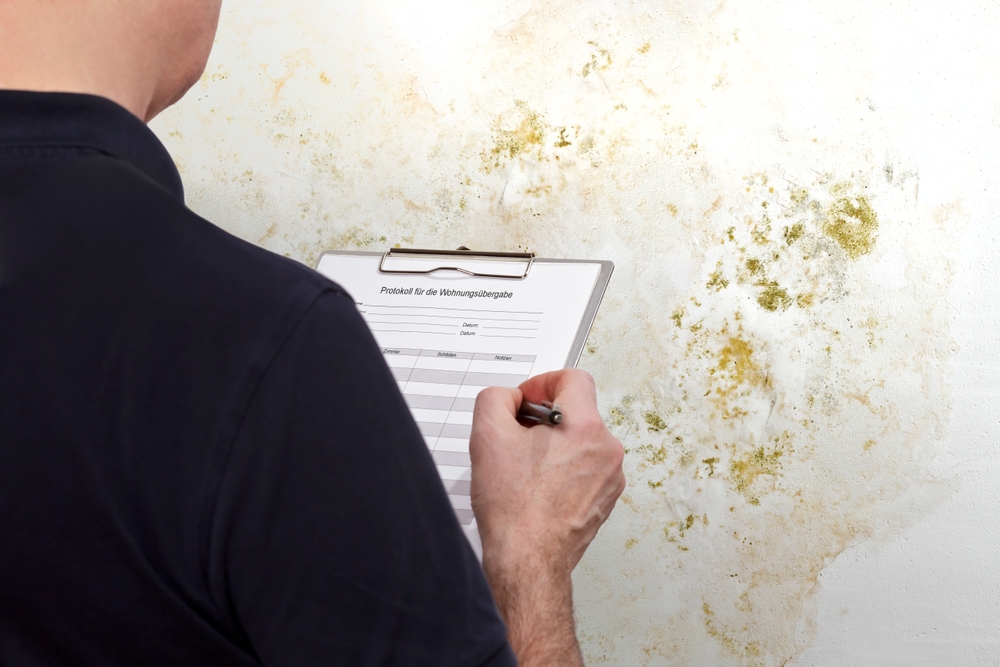
Documentation is essential throughout this process. Written records, photographs, and repair invoices can serve as critical evidence if a dispute develops.
Local Agency Enforcement and Relocation Costs
If a local housing or health agency determines that a property is substandard due to mold, landlords may face additional obligations beyond repairs.
These can include:
- Orders to remediate hazardous conditions
- Temporary relocation requirements for tenants
- Payment of emergency relocation assistance
Such outcomes can significantly increase the financial impact of a mold issue. Addressing problems before they reach the level of agency involvement is key to reducing overall risk.
Property Mold Damage and Financial Exposure
Mold-related claims are not limited to health concerns. Property damage can also play a central role in disputes.
Common issues include:
- Damage to drywall, flooring, and insulation
- Loss of use of certain areas within the property
- Disputes over repair costs and timelines
Landlords may also face disagreements with insurers regarding coverage and remediation standards. Early legal review can help clarify responsibility for the damage, scope of necessary repairs, and documentation required for mold insurance claims.
Reducing Risks of Legal Claims with a Mold Lawyer’s Help
Working with a toxic mold lawyer can help landlords identify risks before they escalate into formal disputes. Legal guidance is not limited to litigation; it often plays a preventive role.
A toxic mold lawyer in California may assist with:
- Reviewing maintenance protocols
- Advising on disclosure requirements
- Evaluating tenant complaints
- Coordinating with environmental experts
- Preparing documentation for potential claims
This type of support is particularly valuable for landlords managing multiple properties or older buildings where moisture issues are more likely. Take preventative steps early to strengthen your position as a landlord if a mold claim is ever brought forward. Call The Regan Law Firm at 415-523-0403 or schedule a consultation today.